
Drywall Repair vs. Replacement in Anchorage: How Alaska's Climate Affects Your Decision
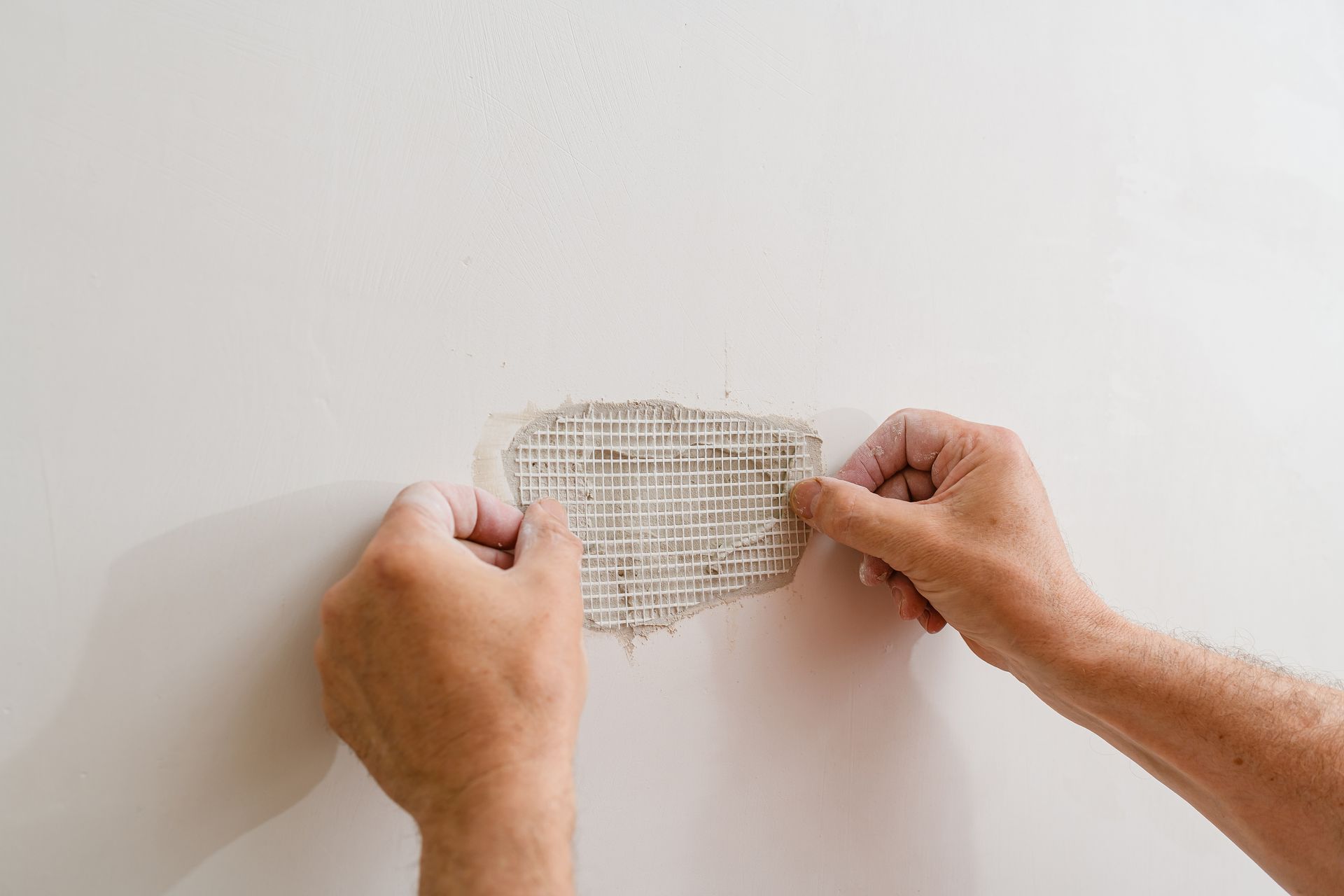
Deciding between drywall repair and full replacement is a question Anchorage homeowners face more often than those in milder climates. Alaska's extreme conditions make the answer more complicated than it might seem elsewhere. This guide breaks down how the local climate stresses your walls, how to read the damage, and how to decide which path makes the most sense for your home.
How Alaska's Climate Damages Interior Walls
Anchorage's weather is hard on home interiors in ways most homeowners don't immediately connect to their walls. Freeze-thaw cycles heave soil against foundations, creating entry points for groundwater that many homeowners don't discover until drywall warps or a musty odor signals mold. By the time a stain appears, moisture has often been working through the structure for some time.
Indoor heating also plays a role. Anchorage homes run their heating systems hard through the long winter, making indoor air very dry, which causes drywall to contract and crack at seams and corners. When warmer air meets cold exterior walls, condensation can form inside wall cavities. If vapor-impermeable materials are added to the exterior, walls can no longer dry out properly, resulting in moisture accumulation, mold, and rot.
Frozen pipes are another major source of wall damage. Once a frozen pipe thaws or splits, it can release a large volume of water into a wall cavity before anyone notices.
Repair vs. Replacement: A Practical Decision Framework
The right call depends on the type, size, and source of the damage. Repair is generally better for minor, localized issues. Replacement becomes necessary when damage is widespread, the material is structurally compromised, or mold is involved.
When Drywall Repair Is the Right Choice
Drywall repair in Anchorage, AK, makes sense when the damage is limited and the underlying structure is sound. Good candidates for patching include:
- Small holes from fasteners, anchors, or minor impacts.
- Hairline cracks at seams or corners caused by seasonal humidity shifts.
- Isolated stains where the leak source has been fully fixed and the drywall is still firm.
- Surface cracks around window and door frames from normal seasonal movement.
The leak must be fixed first, because patching over active water damage is a waste of time and money.
When Full Replacement Is Necessary
Replacement is typically the right call when:
- The drywall feels soft or spongy when pressed.
- Sagging or bulging sections have formed.
- Mold growth is visible or confirmed behind the wall.
- Damage covers a large section of a panel or wall.
Mold is a strong indicator that replacement is needed. Once mold is present in porous materials like drywall, removal is typically the only safe solution. Mold colonizes within 24 to 48 hours in Anchorage's humid conditions, which is why a slow-developing leak can result in replacement by the time the problem is discovered.
Value Considerations
A patch on a small area is almost always less disruptive and less expensive than replacing an entire wall section. However, an incomplete repair that misses the moisture source can lead to repeat damage and higher long-term expense.
If the damage involves a pipe, insulation, or framing behind the drywall, those items will affect the overall scope regardless of whether you repair or replace the surface. Choosing moisture-resistant drywall during replacement adds value in wet-prone areas like bathrooms or exterior-facing walls. Appropriate materials for Alaska's climate include proper vapor barriers and cold-rated drywall that can withstand freeze-thaw cycles.
An Anchorage Permit Note
Most straightforward drywall repair and replacement projects in Anchorage do not require a building permit unless you are changing the floor plan or the work involves new electrical wiring or plumbing lines. Local jurisdictions within Alaska may impose additional permitting requirements. For larger projects tied to water damage that affected framing or insulation, ask your contractor to clarify requirements before work begins.
Signs You Should Call a Contractor
Some warning signs mean you should bring in a professional before touching the wall:
- A musty smell without a visible source, which can indicate hidden mold.
- Diagonal cracks running from door or window corners, which may signal foundation movement.
- Walls that feel warm or damp in areas with no obvious plumbing nearby.
- Recurring damage in the same spot after a previous repair.
Only a professional with a moisture meter or infrared scanner can spot dampness hidden behind walls, which is essential for proper drywall water damage repair. You can learn more in this guide to top signs you need drywall repair.
Frequently Asked Questions
Is It Better to Repair or Replace Drywall in an Anchorage Home?
It depends on the extent of the damage. Small, isolated issues can often be patched effectively. If the drywall is soft, moldy, or covering a large damaged area, replacement is typically the safer choice. Always confirm the moisture source is fully resolved before committing to either option.
Can Freeze-Thaw Cycles Cause Drywall Damage Without a Leak?
Yes. Repeated temperature swings cause framing lumber and drywall to expand and contract, opening seams, cracking corners, and causing nail pops. These are usually repair candidates, but they worsen if ignored during Anchorage's long winters.
Does Mold Always Mean I Have to Replace the Drywall?
In most cases, yes. Mold that has taken hold in the gypsum core cannot be safely cleaned or painted over, so affected panels are typically removed and the framing behind them inspected before new drywall goes up.
Should I Check on Permits Before Starting Drywall Work in Anchorage?
Usually a quick check is all it takes. Standard repairs rarely need a permit, but requirements can shift with the scope of the job, so confirm with the Municipality of Anchorage or your contractor before work begins, especially if the damage has reached framing or utilities.
Get an Expert Assessment From a Local Team
Alaska Painting & Construction has been serving Anchorage homeowners for over a decade and understands how the local climate affects interior walls throughout neighborhoods like South Anchorage, Midtown, and Turnagain. The team can assess your damage, identify moisture sources, and recommend the right path forward. Visit the drywall repair services page to learn more, or contact the team to request a free estimate. You can also find Alaska Painting & Construction on Google Maps. Call (907) 830-3050 to get started.






