Drywall Repair After a Water Leak in Anchorage, AK: What to Do First
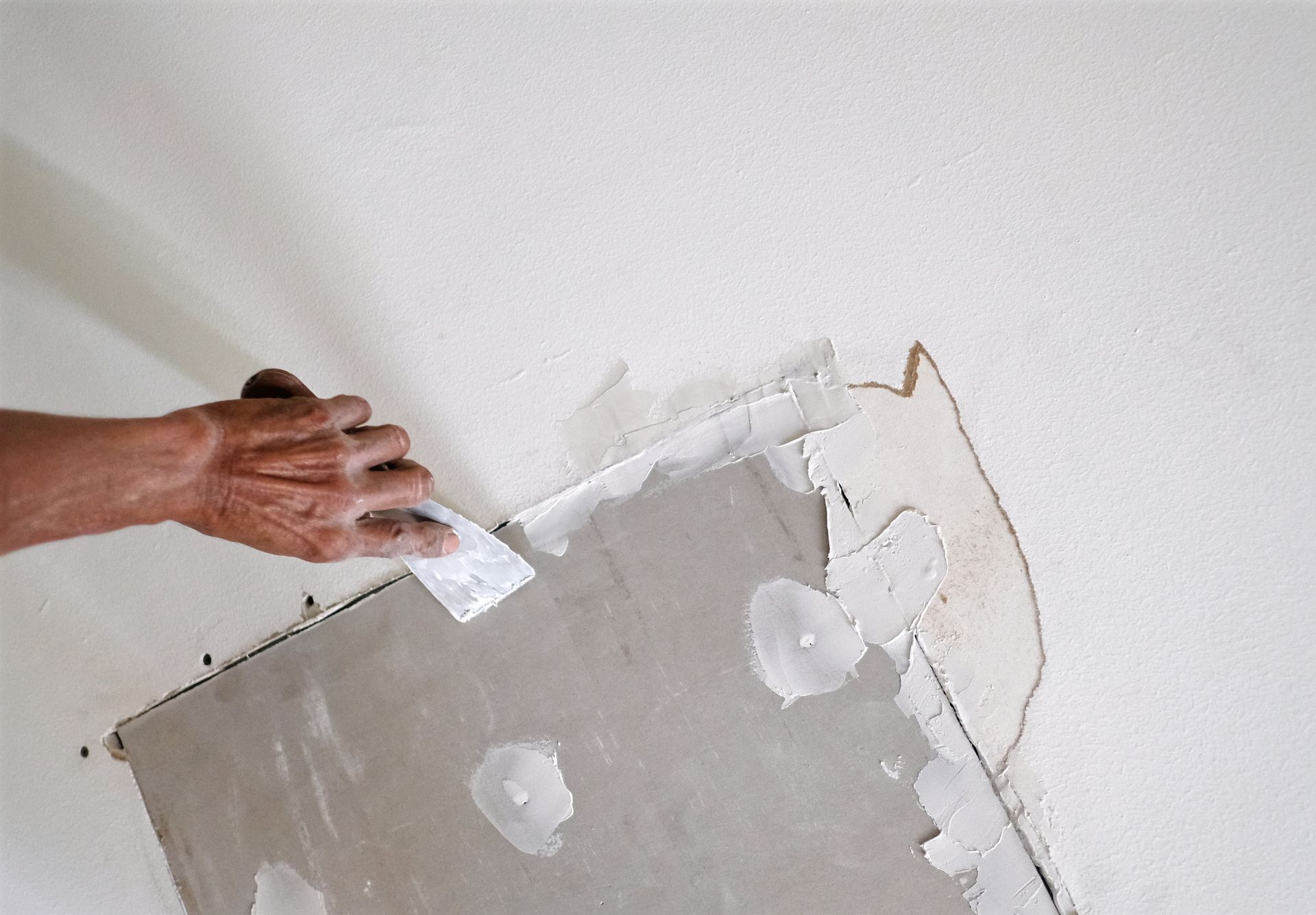
This guide explains the first steps for drywall repair in Anchorage, AK, after a water leak and how to tell when a wall needs a professional. Acting quickly can limit damage, and knowing what to look for can save time. Anchorage homeowners deal with long winters, so a small leak can turn into a bigger problem if it goes unchecked.
Stop the Water and Stay Safe
Your first job is to stop the source of the water and keep everyone safe. Shut off the water supply if you can find the leak. If water is near outlets, light fixtures, or a sagging ceiling, turn off power to that area and keep people away until it is checked. Never touch electrical equipment while standing in water.
Take photos of the damage before you clean up. Photos help when you explain the damage to a contractor or an insurance company. Write down when you first noticed the leak and what you did to stop it. Those notes make the repair plan easier to build.
Dry the Area and Check the Damage
Drying the area quickly gives the drywall its best chance. Remove standing water, move furniture away from the wall, and run fans or a dehumidifier to help the space dry. In Anchorage, condensation from the long heating season may keep walls damp longer than you expect.
Then check the drywall for these signs of water damage:
- Stains that are brown, yellow, or spreading.
- Paint that is bubbling or peeling.
- Drywall that feels soft or crumbly.
- Bulging or sagging wall or ceiling sections.
- A musty smell that may point to mold.
Can Wet Drywall Be Repaired?
Sometimes it can, but it depends on how long the drywall stayed wet. Small areas that dry quickly and stay firm may be patched and refinished. Drywall that is soft, crumbling, or moldy often needs to be cut out and replaced.
Paper-faced drywall can absorb water and lose strength. A wall that looks fine on the surface can still be weak inside. A professional can check for hidden moisture before a patch is painted over. Quick action usually gives you more repair options and may limit how much drywall needs to be replaced.
Why Anchorage Homes Face Extra Risk
Anchorage's climate makes moisture problems harder to ignore. Freeze-thaw cycles and long winters can strain plumbing and building materials. Seismic activity and settling in Southcentral Alaska can also stress walls over time, so cracks near a leak may have more than one cause.
Slope-related settling in areas such as Hillside may add to that stress. This is one reason a repair that only covers the surface may not hold up.
What to Expect From a Professional Repair
A professional repair follows a clear order so the wall stays strong and looks natural. The steps usually look like this:
- Inspect the damage and find any hidden moisture.
- Remove drywall that is soft, swollen, or moldy.
- Patch or replace the section with new drywall.
- Tape, sand, and prime the repaired area.
- Match the texture and color so the repair blends in.
Rushing these steps can leave uneven texture or trap moisture inside the wall. Letting each coat of joint compound dry fully also matters, and a longer heating season can slow drying indoors.
When to Call a Professional
Call a professional when the damage is larger than a small patch or keeps coming back. Reach out when you notice:
- Large areas of wet or soft drywall.
- Sagging ceilings or bulging walls.
- Mold or a lingering musty smell.
- Stains that return after painting.
- Water damage near wiring or plumbing.
A professional drywall repair visit starts with an inspection to find the full extent of the damage. To learn more about this service, visit the
drywall repair page.
Frequently Asked Questions
How Do I Fix Water-Damaged Drywall?
Start by stopping the leak and drying the wall. If the drywall is firm, a small patch may work. If it is soft or moldy, the damaged section usually needs to be removed and replaced before finishing.
How Long Should Drywall Dry Before Repairs?
Drying time depends on how wet the wall is and the indoor conditions. Repairs should wait until the drywall is fully dry. A contractor can check for hidden moisture before sealing the wall.
Is Mold a Concern After a Leak?
It can be. Damp drywall may grow mold if it stays wet. A musty smell or dark spots are warning signs, and heavily affected drywall often needs replacement.
Can I Paint Over Water-Stained Drywall?
Painting should wait until the drywall is fully dry and a professional has ruled out hidden moisture. Painting over damp or damaged drywall can trap moisture inside the wall, and stains that return after painting are a sign the wall needs inspection.
Why Can Drywall Take Longer to Dry in Anchorage?
Long heating seasons can keep walls damp from condensation, and indoor conditions may slow drying. Each coat of joint compound also needs to dry fully, so rushing the process can leave uneven texture or trap moisture inside the wall.
Get Help With Drywall Repair After a Leak
Water damage is stressful, but a clear plan makes it manageable. Alaska Painting & Construction LLC provides free estimates for drywall repair in Anchorage, AK. Contact us to schedule an evaluation.